


Early Life: Growing Up in Flint’s Shadow
Amariyanna Copeny was born on July 6, 2007, in Flint, Michigan, a city scarred by economic decline and the infamous 2014 water crisis. Amariyanna Copeny’s hometown, often clued in crosswords as “activist Amariyanna Copeny hometown,” became the epicenter of her mission. In April 2014, city officials switched Flint’s water source from Lake Huron to the Flint River to cut costs, neglecting to treat the water properly. This led to lead contamination, affecting over 100,000 residents. The crisis caused developmental issues in children, a Legionnaires’ disease outbreak that killed 12, and widespread health problems like rashes and hair loss.
Mari, the middle child of five siblings, was raised by her single mother, LuLu Brezzell, who shielded her family from the crisis’s worst effects. Brezzell recalled, “The water smelled funny, and it was brown.” The Amariyanna Copeny family limited showers to two minutes and relied on bottled water, but Mari developed rashes from the tainted supply, fueling her sense of injustice. Despite Flint’s challenges—41% of residents live below the poverty line—Mari shone early, winning the “Little Miss Flint” pageant title in 2015 with a platform to bridge kids and police. This community involvement hinted at her future as an activist.
What Motivated Mari Copeny to Become an Activist?
What motivated Mari Copeny to become an activist? The Flint water crisis hit her family hard—brown, foul-smelling water burned their skin during baths, a stark injustice for a six-year-old. “We started hearing about the crisis, and she wanted to speak up,” her mother said. LuLu’s encouragement turned family discussions into action, with Mari attending protests and town halls alongside her siblings. Her younger sister, now 13, continues the advocacy, recently facing dismissive treatment from Flint’s city council. This familial solidarity shaped Mari’s resolve: “I am one of the children that is affected by this water, and I’ve been doing my best to march in protest.”
Mari drew inspiration from civil rights icons like Martin Luther King Jr. and modern mentors like Yara Shahidi, who guided her through the Eighteen x 18 initiative. Yet, the core driver was personal: seeing her community suffer without clean water, a basic right denied due to environmental racism. “Our greatest threat right now is leaders not taking action in environmental racism and the American water crisis,” she declared. This blend of personal pain and systemic injustice propelled Mari from local marches to national platforms.
When Did Mari Copeny Start Being an Activist? The Letter That Changed Everything
When did Mari Copeny start being an activist? Her journey began in early 2016, at age eight, during a congressional hearing on the Flint water crisis. Frustrated by the lack of action, she wrote to President Barack Obama: “Once we got to the White House, you had a chance to meet with me and other kids from Flint… My mom said chances are you will be too busy.”
The letter, published in the Los Angeles Times, went viral. Obama responded, “Letters from kids like you are what make me so optimistic,” and visited Flint on May 4, 2016, meeting Mari and securing $100 million in federal aid for pipe repairs. This moment earned her the “Little Miss Flint” nickname and launched her as a youth leader.
By 2017, Mari was the youngest national youth ambassador for the Women’s March and People’s Climate March, speaking at the March for Science to connect water contamination to broader injustices. Her activism wasn’t a one-off; it was a lifelong commitment to equity, sparked by a child’s bold letter.
What Did Mari Copeny Do? A Legacy of Action
What did Amariyanna Copeny do? Her contributions are staggering. In 2016-2017, partnering with Pack Your Back, she raised funds for over 15,000 backpacks filled with school supplies for Flint kids, ensuring education wasn’t sidelined. “We wanted kids to focus on learning, not water,” she said. In 2018, when Governor Rick Snyder ended Flint’s free bottled water program, Mari launched The Little Miss Flint & PYB Water Drive on GoFundMe, raising $280,000 for over one million bottles—enough for 200,000 residents for weeks.
In 2019, she founded the Little Miss Flint Clean Water Fund with Hydroviv, producing custom under-sink filters to remove lead and bacteria without plastic waste. She’s raised over $700,000, distributing thousands of filters to Flint and other crisis-hit areas like Newark, NJ, and Providence, RI. Her #DearFlintKids project collected thousands of encouragement letters globally, uplifting local children. Mari also organized Christmas parties with thousands of toys, Easter basket drives, free movie screenings (like Black Panther), and bike giveaways—over 550 bicycles distributed.
She spoke at the 2017 “Stand Up to Trump” rally, calling out unfulfilled promises, and joined anti-bullying efforts with Trendsetters Productions. As youth advisory chair for the 2019 Kid Box board, she empowered peers. Her #WednesdaysForWater campaign highlights global water issues weekly. In 2025, her Flint Kids Project feeds nearly 70 children daily amid SNAP cuts, turning her home into a community hub. What issue has Mari Copeny spoken out against? Primarily environmental racism and the water crisis, but also bullying, immigration policies, and youth disempowerment.
How Did Mari Copeny Change the World? A Global Impact
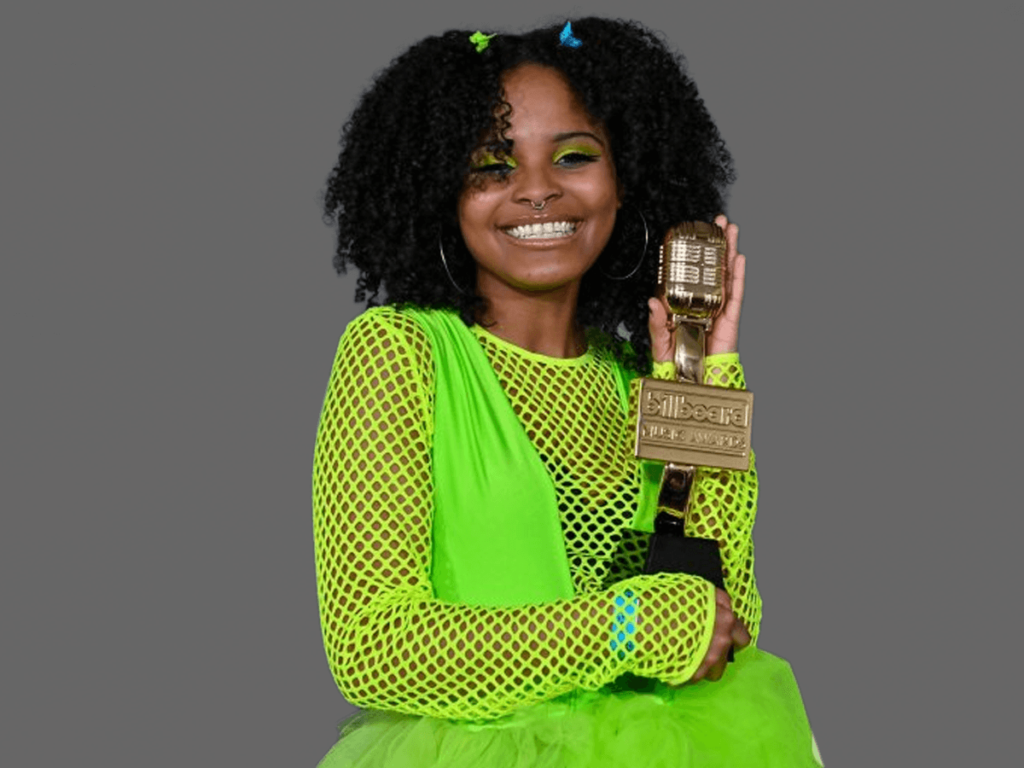
How did Mari Copeny change the world? By 18, she’s raised over $1 million, supported 20,000+ children, and reshaped environmental justice discourse. Her Obama letter secured $100 million in aid, accelerating Flint’s pipe replacements. Globally, she’s inspired youth activism, featured in TIME, Teen Vogue, and The Guardian as a TEDx speaker and Clean Water Champion. Her Hydroviv filters offer sustainable solutions, shipped nationwide. On X, with 90,000+ followers, she amplifies marginalized voices, from Flint’s struggles to global water crises.
In 2025, amid SNAP shutdown threats, Mari’s meal program feeds 70 kids daily, embodying compassion—like gifting snacks to a teen caught stealing. As a Flint Youth Justice League member and MDE Anti-Racism Student Advisory Council participant, she pushes for youth inclusion. Mentored by Bernice King and Yara Shahidi, she urges, “My generation will fix this mess of a government. Watch us.” Her impact is both local and global, proving kids can lead.
Amariyanna Copeny Facts and Fun Facts: The Person Behind the Mission
Mari Copeny facts: She’s a cheerleader, plans to run for president in 2044, and inspired a Lottie Doll to encourage girls. Amariyanna Copeny fun facts: She loves gymnastics, basketball highlights, and skateboarding, favoring Flint’s Brush Alley Skate Shop. Despite fame, she faces online bullying and sought therapy in 2024 for burnout: “I couldn’t get basic things done.” A quirky note: she met Donald Trump in 2016 but quips, “We not gonna talk about that—I dislike the man in the White House.”
Amariyanna Copeny family: Raised by LuLu Brezzell, her mom monitors her @LittleMissFlint X account. Her four siblings, including a 13-year-old sister advocating at city council, share her passion. Amariyanna Copeny born: July 6, 2007. She’s raised $700k+, distributed 19,000+ backpacks, and hosts annual holiday events. Who is Amariyanna Copeny? A teen hero showing change starts small—with a letter or a shared snack.
Amariyanna Copeny Quotes: Words That Ignite Change
Amariyanna Copeny quotes resonate with wisdom:
- “Once we got to the White House, you had a chance to meet with me and other kids from Flint… Why can’t you come to Flint?”
- “I’m going to tell him that the water’s bad.”
- “Our greatest threat right now is leaders not taking action in environmental racism and the American water crisis.”
- “Yeah, I’m an activist, but I’m really just Mari.”
- “One thing we can stop doing right now is to stop ignoring the youth… the choices they make today are going to affect my generation’s future.”
- “My generation will fix this mess of a government. Watch us.”
These words, shared at rallies and on X, inspire action across generations.
Challenges and Resilience: Mari’s Ongoing Fight
Activism takes a toll. At 16, Mari faced online harassment and burnout, admitting, “Being a youth activist is very energetically taxing.” In Flint, she’s felt alienated: “I never gave up on Flint. I love helping people.” Her sister’s 2025 council experience—met with eye-rolls—shows the dismissal youth face. Yet, Mari persists, feeding 70 kids daily and advocating globally. With mentors like Shahidi and a supportive family, she’s poised for more: board roles, speaking gigs, and that 2044 presidential run.
Conclusion: Amariyanna Copeny’s Enduring Legacy
Amariyanna Copeny—Little Miss Flint—is a beacon of hope. From a letter that summoned a president to filters purifying water for thousands, what did Mari Copeny do? She proved one voice can move mountains. What motivated Mari Copeny? A poisoned river and a mother’s grit. When did she start? At eight, with a fire that still burns. At 18, Amariyanna Copeny’s age reflects a lifetime of impact, changing the world by empowering the powerless.
Where is Amariyanna Copeny from? Flint, her battleground and inspiration. As she says, “Watch us.” Her story urges us to speak up, act out, and fight for clean water and justice. Share your thoughts on Mari’s journey below!
But beyond activism, who’s redefining representation on reality TV? Olandria Carthen, the Bama Barbie shaking up Love Island USA, is rewriting what Black excellence and authenticity look like on screen—proving that confidence, culture, and class can shine even under the island sun.
FAQs
1. Who is Amariyanna Copeny?
Amariyanna “Mari” Copeny, born July 6, 2007, is an 18-year-old activist from Flint, Michigan, known as Little Miss Flint for her water crisis advocacy.
2. Amariyanna Copeny age and hometown?
She’s 18 (as of October 2025) from Flint, Michigan, often clued as “activist Amariyanna Copeny hometown” in crosswords.
3. What did Mari Copeny do?
She wrote to Obama at 8, securing $100M in aid, raised $700k+, distributed 1M+ water bottles, 19,000 backpacks, and created water filters with Hydroviv.
4. When did Mari Copeny start being an activist?
In 2016, at age 8, with her viral letter to Obama during Flint’s water crisis hearings.
5. What motivated Mari Copeny to become an activist?
The Flint water crisis’s impact on her family—rashes, fear, and injustice—plus her mother’s encouragement to act.
6. How did Mari Copeny change the world?
She secured federal aid, raised millions for clean water, and inspired global youth activism against environmental racism.
7. Amariyanna Copeny family?
Raised by single mom LuLu Brezzell with four siblings; her sister advocates too.
8. What issue has Mari Copeny spoken out against?
Environmental racism, the water crisis, bullying, immigration, and youth disempowerment.
9. Amariyanna Copeny fun facts?
She’s a cheerleader, plans a 2044 presidential run, has a Lottie Doll, and loves skateboarding at Flint’s Brush Alley.
10. Where is Amariyanna Copeny from?
Flint, Michigan—her activism’s heart, shaping her fight for justice.