

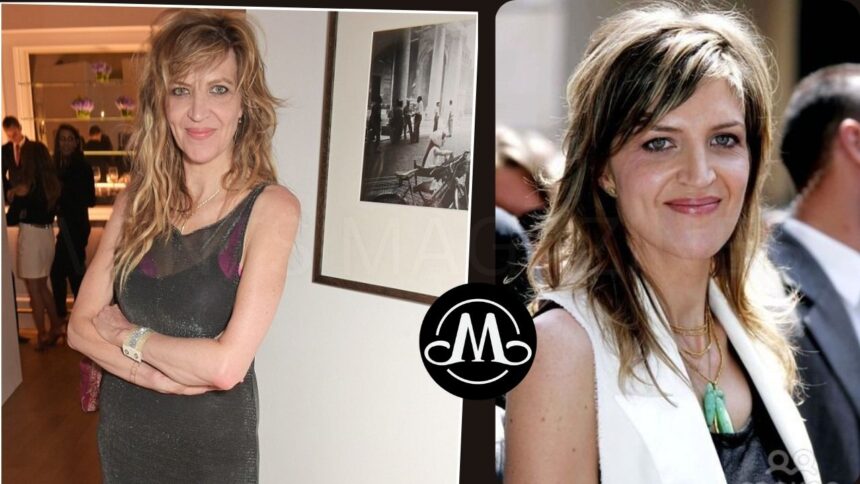
Martha Fiennes carved a distinctive path in British cinema through talent, persistence, and bold creative risks. She began with music videos and commercials before directing acclaimed feature films. Her work consistently blends emotional depth with visual innovation.
As sister to actors Ralph and Joseph Fiennes, she navigated family fame while establishing her own voice. From the poetic adaptation Onegin to immersive digital artworks like Yugen, Martha continually evolves. In 2026 she explores AI and generative art that questions reality and consciousness. Her journey offers inspiration for artists who balance legacy with personal vision across traditional and emerging mediums.
Quick Bio Martha Fiennes
| Attribute | Details |
|---|---|
| Full Name | Martha Maria Twisleton-Wykeham-Fiennes |
| Date of Birth | February 5, 1965 |
| Age (as of April 2026) | 61 years old |
| Nationality | British |
| Profession | Film Director, Writer, Producer, Digital/Immersive Artist |
| Known For | Directing Onegin (1999) and Chromophobia (2005); immersive works Nativity and Yugen; music videos and award-winning commercials |
| Family | Sister of actors Ralph and Joseph Fiennes; mother of Titan, Hero (actor), and Mercy with ex-partner George Tiffin (divorced 2011); engaged to rare book dealer Simon Finch |
| Major Awards | Best Director at Tokyo Film Festival (Onegin); London Critics’ Circle Best Newcomer; BAFTA nomination for Best British Film (Onegin) |
| Recent Work | Generative digital artworks Nativity (2011 onward) and Yugen (2018, featuring Salma Hayek); Cannes Immersive Jury 2025; explorations in AI and consciousness |
| Residence | Based in the UK with ongoing creative projects |
Bohemian Upbringing in the Fiennes Family
Martha grew up in a creative, unconventional household in Suffolk and London. Her parents encouraged artistic expression and intellectual curiosity from an early age. The family environment fostered independence and a love for storytelling.
This bohemian atmosphere shaped her worldview. Siblings pursued acting and other arts with equal passion. Martha absorbed diverse influences that later informed her directing style. Many creatives credit early freedom with building resilience and originality. Her roots provided both support and the drive to forge an individual career.
Early Creative Influences and Sibling Bonds
Close relationships with brothers Ralph and Joseph exposed Martha to performance and narrative craft. She observed their dedication while developing her own behind-the-camera perspective. Family discussions often centered on art, literature, and human emotion.
These bonds created natural collaboration opportunities later. Martha directed Ralph in key films without letting fame overshadow artistic goals. Sibling dynamics added trust and honesty to projects. Such connections highlight how family can fuel creativity while presenting unique pressures in the public eye.
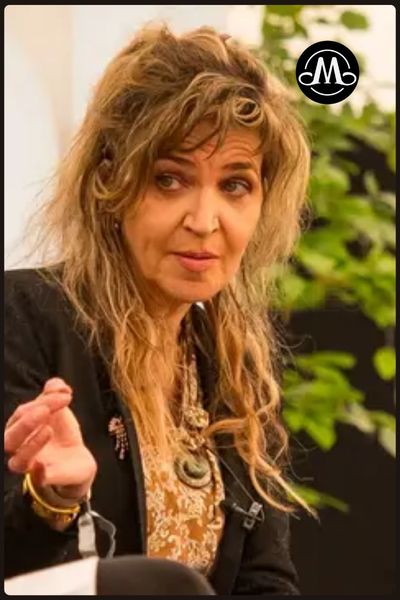
Starting with Music Videos for Iconic Artists
Martha launched her career directing music videos for artists like Al Green and Boy George. These early projects honed her visual storytelling and editing skills. She learned to convey emotion and energy within short formats.
Music videos offered creative freedom and quick turnaround. Success in this space built her reputation and technical confidence. Many directors begin here because it demands innovation under constraints. Martha’s work stood out for its artistic sensibility and helped transition her to higher-profile assignments.
Transition to Award-Winning TV Commercials
She moved into high-end television commercials and earned multiple awards for her stylish, narrative-driven spots. Brands valued her ability to create memorable visuals and emotional connections. This phase sharpened her understanding of audience engagement and production efficiency.
Commercials provided financial stability and industry connections. Martha applied lessons from music videos to craft compelling short stories. The experience prepared her for feature-length work. Many filmmakers use advertising as a bridge to cinema because it refines craft while allowing experimentation.
Directorial Debut with Onegin in 1999
Martha made her feature debut with Onegin (1999), an adaptation of Pushkin’s verse novel. She directed brother Ralph in the lead role and assembled a strong international cast. The film earned critical praise for its lush visuals and emotional depth.
Onegin won the Best Director award at the Tokyo Film Festival. It also received a BAFTA nomination for Best British Film and the London Critics’ Circle award for Best Newcomer. This breakthrough validated her vision and opened doors in British cinema. The project demonstrated her skill in handling literary material with cinematic flair. Ready More Relevant Article Julitta Dee Harden Scheel.
Collaborating with Brother Ralph Fiennes
Working with Ralph brought both advantages and challenges. Their shared history allowed honest feedback and deep trust on set. Martha directed him in Onegin and later Chromophobia, capturing nuanced performances.
Sibling collaboration adds authenticity but requires clear boundaries. Martha maintained professional standards while navigating family dynamics. The experience enriched both their careers. It also highlighted how personal relationships can elevate artistic output when managed thoughtfully.
Chromophobia and Challenges in Feature Filmmaking
Chromophobia (2005) explored complex themes through an ensemble cast and striking visual style. Martha wrote and directed the film, which examined modern disconnection and materialism. Production faced delays and distribution hurdles common in independent cinema.
The project took years to reach audiences, illustrating the perseverance required in filmmaking. Critics noted its ambition and aesthetic boldness. Martha learned valuable lessons about financing, studio expectations, and creative control. Such challenges test directors and often lead to greater artistic maturity.
Balancing Motherhood with Demanding Projects
Martha raised three children Titan, Hero, and Mercy with cinematographer George Tiffin during her most active directing years. She managed intense pre-production and shoots while prioritizing family needs. Motherhood influenced her storytelling with deeper empathy and emotional layers.
Many female directors face the dual demands of career and parenting. Martha navigated this balance with support from her partner and extended family. The experience added richness to her work and perspective on human relationships. Her story reflects broader realities for women in creative industries.
Divorce from George Tiffin and Personal Evolution
Martha and George Tiffin ended their long relationship in 2011 after two decades together. The split occurred amid evolving personal and professional paths. She focused on healing and creative renewal in the following years.
Divorce prompted reflection on identity beyond family roles. Martha channeled energy into new artistic directions. Personal growth often fuels creative reinvention. Her resilience during this period strengthened her later immersive and digital explorations.
Shift Toward Digital and Immersive Art
After traditional features, Martha embraced digital technologies and immersive storytelling. She founded SLOimage and collaborated on generative artworks that blend film, art, and technology. This pivot allowed greater experimentation with form and audience interaction.
The shift reflected changing media landscapes and her curiosity about perception. Immersive works invite viewers into dreamlike environments. Martha’s transition demonstrates adaptability in a rapidly evolving industry. Many artists move toward new mediums to stay relevant and innovative.
Creating Nativity and Generative Experiences
Nativity marked an early foray into random-concept digital film-work. Unveiled at venues like the Masonic Temple in Covent Garden, it combined visual poetry with technological elements. The piece explored themes of birth, renewal, and wonder.
Collaborations with producers and technologists brought the vision to life. Nativity toured exhibitions and gained recognition for its boundary-pushing approach. This work bridged her film background with emerging digital possibilities. It laid groundwork for more ambitious immersive projects.
Yugen and Exploration of Consciousness
Yugen (2018) stands as a majestic generative digital artwork featuring Salma Hayek Pinault. The piece delves into perceptions of reality, mystery, and human consciousness through evolving visuals. Viewers experience meditative, ever-changing environments.
Yugen earned acclaim in art circles and festivals. Martha continues refining the work with technological advancements. It represents her deepening interest in how art can question existence. The project showcases her evolution from narrative cinema to experiential, AI-influenced creations.
Jury Role at Cannes Immersive Competition
In 2025 Martha served on the jury for the new Immersive Competition at the Festival de Cannes. This role recognized her pioneering contributions to the field. She evaluated cutting-edge works that merge film, art, and technology.
Jury participation highlights industry respect for her vision. Martha advocates for protecting human expression amid AI developments. The experience exposed her to global innovations. Such platforms amplify voices pushing storytelling boundaries.
AI, Technology, and the Future of Storytelling
Martha actively explores AI’s potential while cautioning about risks to authentic creativity. She envisions intelligent systems that enhance rather than replace human narratives. Her recent interviews discuss integrating AI into film principles responsibly.
Technology offers exciting tools for generative art and immersive experiences. Martha emphasizes ethical considerations and emotional truth. Her forward-thinking approach positions her at the intersection of cinema and digital futures. Many creators grapple with similar questions in 2026.
Current Projects and Creative Outlook in 2026
In 2026 Martha continues developing immersive and generative works while mentoring emerging artists. She engages with festivals, exhibitions, and discussions on AI’s role in culture. Personal life with partner Simon Finch provides stability for ongoing creativity.
Her outlook remains optimistic yet grounded. Martha balances reflection on past achievements with excitement for new frontiers. Projects likely blend her film expertise with technological experimentation. Supporters anticipate continued boundary-pushing contributions.
Legacy in British Cinema and Beyond
Martha Fiennes leaves a lasting mark on British filmmaking through visually rich narratives and innovative digital art. She advanced immersive storytelling and inspired conversations about consciousness and technology. Her career demonstrates versatility across decades.
As a female director in a competitive field, she overcame obstacles with quiet determination. Collaborations with family and international talents enriched British cinema. Her legacy extends to younger artists exploring hybrid mediums. Martha’s work encourages thoughtful evolution in how stories reach audiences.
Conclusion
Martha Fiennes built her career through steady progression from music videos and commercials to acclaimed features and pioneering immersive art. Her bohemian roots, family collaborations, and personal resilience shaped a distinctive artistic voice. From Onegin and Chromophobia to Nativity, Yugen, and AI explorations, she continually reinvents her practice.
In 2026 she remains a thoughtful innovator who balances tradition with technological curiosity. Her journey offers lessons in adaptability, authenticity, and creative courage. British cinema and the broader art world benefit from her contributions. Audiences and fellow creators can draw inspiration from her commitment to meaningful storytelling across evolving mediums.
Frequently Asked Questions
Who is Martha Fiennes?
Martha Fiennes is a British film director, writer, producer, and digital artist known for Onegin (1999) and Chromophobia (2005), as well as immersive generative artworks like Yugen.
What films did Martha Fiennes direct?
She directed Onegin, starring her brother Ralph Fiennes, and Chromophobia. She also created immersive digital works including Nativity and Yugen.
Is Martha Fiennes related to Ralph Fiennes?
Yes, she is the sister of actors Ralph and Joseph Fiennes. She has collaborated with Ralph on multiple projects.
What is Martha Fiennes doing in 2026?
She continues creating immersive and generative art, explores AI in storytelling, and participates in festivals such as Cannes Immersive.
Who are Martha Fiennes’ children?
She has three children Titan, Hero (actor), and Mercy with ex-partner George Tiffin. She shares a close family bond with them.
Stay More Update: VENTS MAGAZINES