


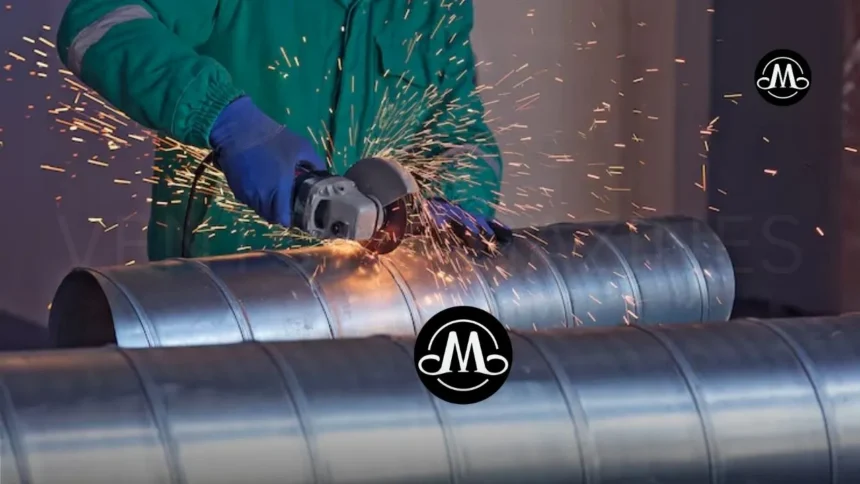
Sheet metal fabrication is a vital manufacturing process that transforms flat sheets of metal such as aluminum, steel, and copper into functional components and complex structures. This process supports a wide range of industries, including aerospace, automotive, construction, and consumer electronics. By combining precision techniques with advanced machinery, manufacturers can produce parts that meet strict performance and design requirements.
Moreover, the importance of sheet metal fabrication continues to grow as industries demand higher efficiency and accuracy. Modern fabrication methods allow for customization, scalability, and cost-effective production. As a result, businesses rely heavily on these processes to create durable and high-quality products that meet evolving market needs.
Cutting Techniques
Before metal can take its final shape, it usually needs to be cut down to size. Manufacturers use several different cutting techniques depending on the material thickness and the required precision.
Shearing
Shearing slices through sheet metal using straight cutting blades. One blade remains stationary while an upper blade forces the metal down, effectively fracturing the material along a straight line. This method is highly efficient for cutting straight edges and preparing smaller blanks from larger metal coils.
Laser Cutting
Laser cutting directs a high-powered laser beam onto the surface of the metal. The intense heat melts, burns, or vaporizes the material, leaving behind a highly accurate edge. This technique works exceptionally well for intricate designs and tight tolerances, though it can struggle with highly reflective metals like copper.
Plasma Cutting
Plasma cutting uses a jet of hot, ionized gas to cut through electrically conductive materials. The plasma arc easily slices through thick plates of steel and aluminum. While it may not match the fine precision of laser cutting, plasma cutting is incredibly fast and cost-effective for heavy-duty applications.
Waterjet Cutting
Waterjet cutting forces a highly pressurized stream of water, often mixed with abrasive particles, through a narrow nozzle. This technique cuts through metal without generating heat, making it perfect for materials that might warp or degrade under high temperatures.
Forming Techniques
Bending (Press Brake Forming)
Bending creates angles and folds in sheet metal using a machine called a press brake. The metal rests on a V-shaped die, and a heavy punch presses down, forcing the material to adopt the angle of the die. This is the most common way to create brackets, enclosures, and angled components.
Rolling
Rolling passes sheet metal through a series of cylindrical rollers to curve the material. By adjusting the distance and angle between the rollers, fabricators can create large cylindrical shapes, cones, and rounded bends. This technique is frequently used to manufacture pipes and large storage tanks.
Deep Drawing
Deep drawing involves clamping a metal blank over a cavity and using a punch to push the metal down into the die. The process stretches the metal into cup-like or box-like shapes. It is commonly used for manufacturing items like kitchen sinks, automotive fuel tanks, and aluminum cans.
Stamping
Stamping uses specialized tooling inside a stamping press to cut and form metal in a single stroke. For high-volume production runs, manufacturers often rely on progressive die stamping. In this automated process, a continuous strip of metal moves through multiple stations, with each station performing a specific cutting or forming operation until the part is complete.
Joining Techniques
Complex products often require multiple sheet metal components to be securely attached.
Welding
Welding fuses two pieces of metal by applying intense heat to the joint, often introducing a filler material to strengthen the bond. Common welding methods include TIG, MIG, and spot welding. The resulting joint is incredibly strong and permanent, making it ideal for structural frameworks.
Fastening (Riveting, Screwing)
Fastening uses physical hardware to connect metal parts. Riveting provides a permanent mechanical bond by inserting a metal pin through a hole and expanding the tail. Screwing and bolting offer a semi-permanent solution, allowing parts to be easily disassembled for maintenance or repair later on.
Finishing Techniques
The final step in the fabrication process prepares the metal for its end-use environment, improving both safety and aesthetics.
Deburring
Cutting and forming processes often leave behind sharp edges or rough burrs on the metal. Deburring removes these imperfections using grinding wheels, sanding belts, or tumbling machines. This ensures the parts are safe to handle and fit together properly during final assembly.
Coating (Powder Coating, Painting)
Coating applies a protective layer to the bare metal to prevent rust and corrosion. Powder coating sprays dry, electrostatically charged powder onto the metal, which is then cured under heat to form a durable, scratch-resistant finish. Traditional wet painting is also used to add specific colors and protect the surface from environmental damage.
Conclusion
Sheet metal fabrication involves a wide range of techniques, from cutting and forming to joining and finishing. Each step plays a critical role in shaping raw materials into usable products. By using the right combination of methods, manufacturers can achieve precision, strength, and consistency in their final outputs.
In addition, advancements in technology are transforming the fabrication industry. Automation, robotics, and innovative tools are improving efficiency while reducing production time and errors. As these technologies continue to evolve, sheet metal fabrication will remain an essential part of modern manufacturing, driving progress across multiple industries.
Stay More Update VENTS MAGAZINES