

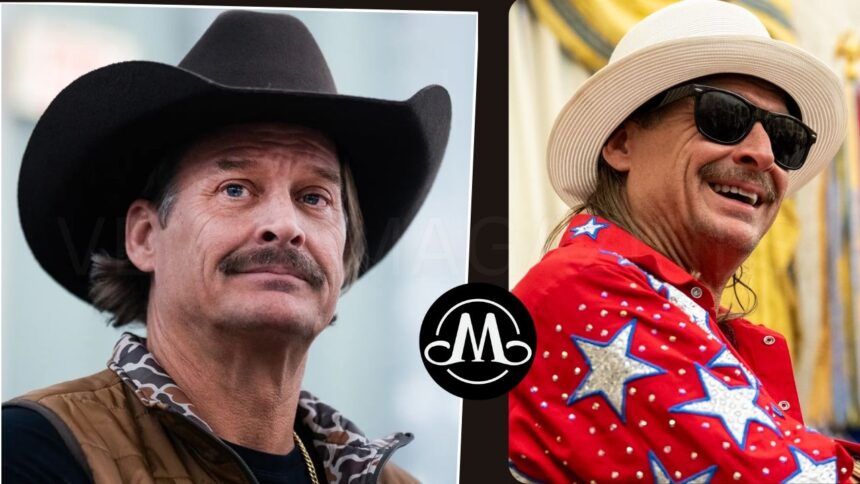
Robert James Ritchie, known worldwide as Kid Rock, built an entire career on a larger-than-life persona that mixes rebellion, patriotism, and musical fusion. Yet behind the stage name lies a story rooted in the small town of Romeo, Michigan. His real name and early life in a working yet privileged family shaped the hardworking, no-nonsense attitude that fans love today. From apple orchards to Detroit clubs, his Michigan roots provided the foundation for a music legend who refuses to fit into any single genre.
Kid Rock turned personal experiences, local influences, and raw talent into a unique sound that dominated charts and arenas. His journey shows how humble or relatively comfortable beginnings in the Midwest can fuel massive ambition. Even after decades of fame, controversies, and evolution, he remains deeply connected to his Michigan identity. This story explores the man behind the myth and the roots that made him unbreakable.
Quick Bio Kid Rock
| Attribute | Details |
|---|---|
| Real Name | Robert James Ritchie |
| Stage Name | Kid Rock (also known as Bobby Shazam) |
| Birth Date | January 17, 1971 |
| Age (2026) | 55 years old |
| Birthplace | Romeo, Michigan, USA |
| Parents | Susan Ritchie (née Brabbs) and William “Bill” Ritchie (1941–2024) |
| Siblings | Older brother Billy, older sister Carol, younger sister Jill Ritchie (actress) |
| Occupation | Musician, Singer, Rapper, Songwriter, Producer |
| Children | Robert James Ritchie Jr. (born 1993, with Kelly South) |
| Notable Traits | Blended hip-hop, rock, country; outspoken personality; strong Michigan pride |
| Residence | Michigan (multiple properties) |
| Net Worth (2026) | Approximately $150–175 million |
Real Name and Family Background
Robert James Ritchie entered the world on January 17, 1971, in Romeo, Michigan. His parents, Susan and William “Bill” Ritchie, created a stable environment for their four children. Bill owned several car dealerships, which gave the family a comfortable lifestyle uncommon in many small-town stories. This background balanced hard work with opportunity, teaching young Robert the value of business and hustle early on.
The Ritchie household emphasized family bonds and practical responsibilities. Robert grew up alongside his siblings, learning lessons about discipline and self-reliance. These family dynamics played a quiet but important role in developing the confident, outspoken personality that later defined Kid Rock on stage and in public life.
Growing Up in Romeo, Michigan
Romeo offered a classic small-town American setting with rural charm and tight community ties. Robert spent his childhood surrounded by open spaces, fresh air, and the rhythms of Midwestern life. The town’s peaceful atmosphere contrasted with the bigger ambitions he would soon chase in nearby Detroit.
Local influences shaped his early worldview. Romeo provided a sense of belonging and normalcy that grounded him even as fame arrived later. He attended Romeo High School, where he balanced typical teenage experiences with growing musical interests that pointed toward a different future.
Life on the Family Orchard and Property
The Ritchie family owned a large property complete with a six-acre apple orchard and space for horses. Young Robert worked alongside his siblings picking apples and caring for animals, learning the satisfaction of manual labor. This hands-on upbringing added authenticity to his later “country boy” image despite the family’s relative comfort.
These chores built physical toughness and a strong work ethic. The expansive home featured luxuries like a pool and tennis court, yet Robert often speaks of his roots with pride in simple Midwestern values. The orchard became a symbol of his grounded start before music took center stage.
Discovering Music and Hip-Hop Passion
In the 1980s, Robert developed a deep love for hip-hop that set him apart from many peers in rural Michigan. He taught himself to breakdance, rap, and DJ through talent shows and local performances. Detroit’s vibrant music scene became his training ground where he absorbed influences that would later define his genre-blending style.
This self-taught phase showed his determination and creativity. He performed under early nicknames and honed skills that turned a hobby into a career path. Hip-hop gave him an outlet for expression in a world that felt both supportive and limiting.
Early Days as a DJ and Performer
Robert began working as a DJ in Detroit clubs while still a teenager. Club-goers nicknamed him “Kid Rock” because they enjoyed watching “that white kid rock the mic.” The name stuck and became his professional identity. He built a local following through relentless performances and networking.
These underground years taught him about audience connection and stage presence. He faced rejection and financial struggles but persisted with raw talent and ambition. The Detroit scene provided tough but valuable training that prepared him for national breakthrough.
Signing First Record Deal and Debut Album
At age 17, Kid Rock signed with Jive Records and released his debut album Grits Sandwiches for Breakfast in 1990. The project mixed rap and rock elements that previewed his future sound. Though it did not explode commercially, it marked his official entry into the music industry.
Early career challenges included label expectations and finding his unique voice. He continued performing and refining his craft between releases. This period built resilience that served him well during later mainstream success.
Rise to Fame with Devil Without a Cause
The 1998 album Devil Without a Cause changed everything. Hits like “Bawitdaba” and “Cowboy” introduced his rap-rock fusion to the world and sold millions of copies. Kid Rock became a superstar almost overnight, blending genres in ways few had attempted before.
Sudden fame brought new pressures and opportunities. He toured relentlessly and embraced his Michigan roots in his music and image. This breakthrough validated years of hard work and established him as a genre-defying artist.
Blending Genres – Rock, Rap, and Country
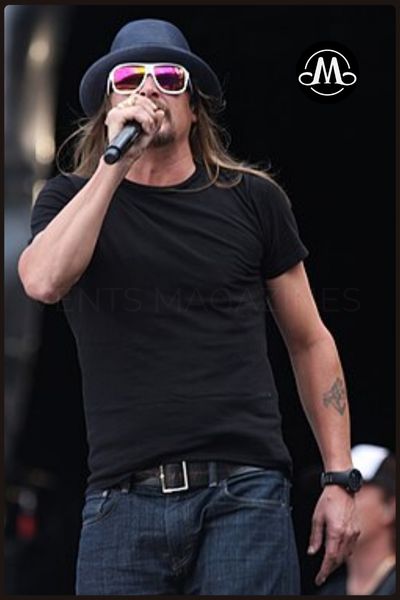
Kid Rock’s signature style fuses rock, hip-hop, country, and Southern rock elements. He plays multiple instruments and delivers high-energy shows that appeal across different fan bases. This musical versatility became his greatest strength and signature.
Critics and fans alike praise his ability to authentically mix sounds. Songs often reflect personal stories, Michigan pride, and working-class themes. His evolution from rapper to rock star to country-influenced artist shows artistic growth rooted in early influences.
Personal Life and Fatherhood
Kid Rock has one son, Robert James Ritchie Jr., born in 1993 with ex-partner Kelly South. He gained primary custody and remained actively involved in raising him. Fatherhood grounded him amid touring and fame.
He also had a brief high-profile marriage to Pamela Anderson in 2006. Through personal ups and downs, family always stayed central. His experiences as a father influenced his music and public perspective on life.
Business Ventures and Michigan Pride
Beyond music, Kid Rock built a successful business portfolio including merchandise, restaurants, and investments. He maintains strong ties to Michigan through properties and community involvement. His entrepreneurial spirit mirrors the lessons learned from his father’s dealership success.
He often returns to his roots for inspiration and relaxation. Michigan pride appears frequently in his lyrics, interviews, and public statements. This connection keeps him authentic to fans who relate to his background.
Controversies and Public Persona
Kid Rock built a reputation for outspoken views on politics, culture, and society. His bold statements sometimes spark controversy but also strengthen his connection with core fans. He embraces a rebel image while defending traditional values.
These moments reflect his no-filter personality developed from small-town roots. While polarizing, his authenticity resonates with audiences tired of polished celebrities. He continues speaking his mind unapologetically.
Later Career and Enduring Legacy
In recent years, Kid Rock shifted toward country rock while maintaining rock energy in live shows. He headlines major festivals and releases music on his own terms. His longevity in the industry proves the strength of his original formula.
New generations discover his catalog through streaming and performances. He mentors younger artists and supports causes important to him. His career demonstrates how Michigan roots and relentless drive create lasting impact.
Connection to Detroit Music Scene
Detroit shaped Kid Rock’s sound and hustle mentality. The city’s raw energy and diverse influences fueled his early development. He maintains deep respect for the Motor City’s musical heritage.
Many collaborations and stories trace back to Detroit clubs and streets. This connection adds credibility to his working-class image. The city remains an important chapter in his personal and professional story.
Impact on American Music Culture
Kid Rock helped popularize rap-rock and genre-blending in mainstream music. His success opened doors for artists who mix styles freely today. He brought small-town American stories to global audiences through energetic anthems.
His influence extends beyond sales to cultural conversations. Songs capture American spirit, freedom, and resilience. He carved a unique lane that celebrates roots while pushing boundaries.
Current Life in 2026
At 55 years old, Kid Rock continues performing, recording, and enjoying life in Michigan. He balances touring with personal time and family moments. His net worth reflects smart business decisions built on decades of work.
He remains active on social media and in public discourse. Fans appreciate his consistency and Michigan pride. The legend continues evolving while staying true to his origins. Explore more Freddie Highmore Net Worth
Lessons from Kid Rock’s Michigan Journey
Kid Rock’s path teaches the power of authenticity and hard work. His story shows that roots whether humble or comfortable fuel greatness when paired with determination. He turned local experiences into universal appeal.
Aspiring artists can learn from his persistence through early struggles. His career reminds everyone that staying grounded brings longevity and respect. Michigan roots built more than a musician they created a cultural icon.
Conclusion
Robert James Ritchie, better known as Kid Rock, rose from Romeo, Michigan’s apple orchards and family property to become a music legend who defies categories. His real name and humble-yet-comfortable roots shaped an artist who values hard work, authenticity, and American spirit.
From Detroit clubs to worldwide stages, he carried Michigan pride in every performance and song. His journey proves that strong beginnings create unbreakable foundations. Even after decades, Kid Rock continues rocking on his own terms, inspiring fans to embrace their origins while chasing big dreams.
Frequently Asked Questions
What is Kid Rock’s real name?
Kid Rock’s real name is Robert James Ritchie. He was born on January 17, 1971, in Romeo, Michigan.
Where did Kid Rock grow up?
He grew up in Romeo, Michigan, on a large family property with an apple orchard and horses. His father owned car dealerships.
Did Kid Rock come from a rich family?
His family was relatively well-off compared to many, but he worked on the orchard and learned strong values. He often describes his upbringing as middle-class with rural influences.
How did Robert Ritchie become Kid Rock?
Club audiences in Detroit called him “Kid Rock” while he performed as a young white rapper and DJ. The name stuck as his professional identity.
What is Kid Rock’s most famous album?
Devil Without a Cause (1998) launched him to superstardom with hits like “Bawitdaba” and “Cowboy.”
Stay More Update VENTS MAGAZINES