


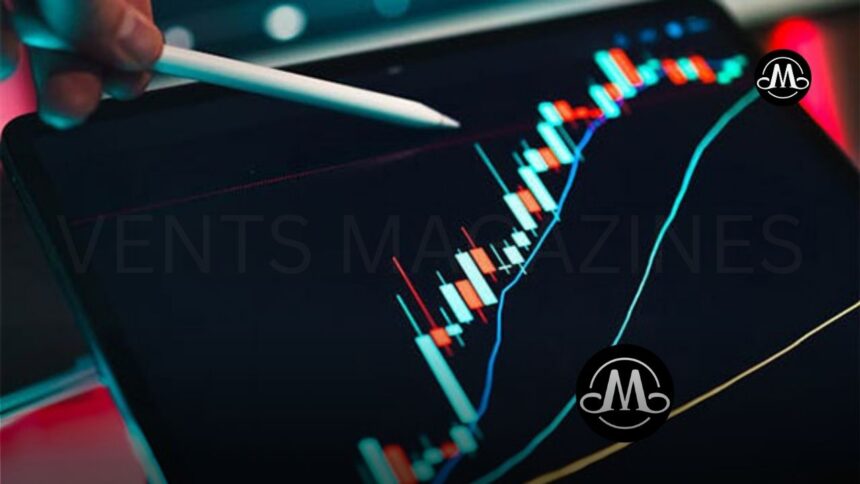
Every time you make a trade, a whole world of advanced tech jumps into action. We’re talking live pricing engines, split-second order routing and platforms that basically run as fintech machines, built for speed, scale and global access.
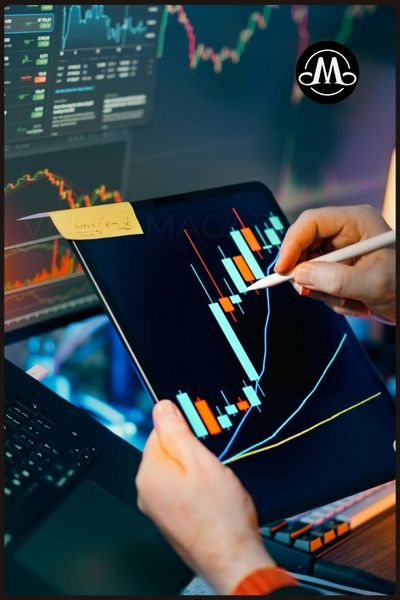
People picture trading as charts full of green and red candlesticks, and someone clicking “buy” or “sell”. But beneath the surface, it’s more like managing a global data network than just casual investing.
Trading brokers and multi-asset platforms lean on complex systems able to handle millions of price updates per second, connect to liquidity providers all over the world and execute orders in milliseconds. Take all that away, and modern markets just couldn’t work the way they do.
What A Trading Broker Actually Is
A broker sits between you and the financial world. When you hit “buy” on a platform, you’re not talking directly to the stock exchange or crypto network. Your order travels through the broker’s tech stack first. And that’s where things get interesting.
Modern brokers use order management systems (OMS) and execution management systems (EMS). These tools handle everything; receiving your request, deciding where to send it and getting you the best price possible.
In the center of it all is the matching engine, software that pairs up buyers and sellers on the fly. Imagine a digital auction house that moves at crazy speed. These engines handle thousands, even millions of orders per second, depending on how busy the market is. To pull that off, brokers count on:
- High-frequency data feeds for instant price updates.
- FIX protocol connections so institutions can send orders securely.
- Low-latency servers sitting close to the exchanges.
- Redundant cloud setups to dodge downtime.
That’s how you get trades executed almost instantly when you click that button.
Where Platforms Fit Into The Picture
As multi-asset trading grows, platforms race to combine tech, speed and transparency into a single ecosystem. A great example is Bitdelta Pro, which is a full-featured multi-asset platform with professional tools and access to 5,000+ trading instruments, including forex, indices, commodities, shares, ETFs, crypto ETFs, futures and options.
What makes platforms like this stand out isn’t just the range of assets, it’s the infrastructure behind them. These systems are built for trust and transparency, serving both individuals and institutions with speedier order handling, clearer pricing and more reliable execution even when markets get wild.
The invisible engine room includes liquidity, APIs and execution
One of the key behind-the-scenes jobs for a trading broker is liquidity aggregation. No single broker has limitless liquidity. Instead, they connect to banks, hedge funds and electronic market makers, all feeding live buy and sell prices into the system.
A smart broker uses algorithms to pick the best price from all these sources. That’s smart order routing. APIs are a big deal, too. Most trading platforms offer them so pro traders and institutions can plug their own software right into the broker. That’s how you get automated strategies, bots and algorithmic models trading in real time. Behind the curtain, execution gets constantly tweaked for:
- Speed.
- Price accuracy.
- Reducing slippage.
- Order fill rates.
The aim? Get the trader the best result possible; fast, with no weird surprises.
What Multi-Asset Trading Actually Means
Multi-asset trading is exactly what it says: Traders can access lots of asset classes using a single platform. Usually, you’re looking at: Forex (currency trading), stocks and shares, indices, commodities (oil, gold, etc.), ETFs and crypto ETFs, futures contracts and options.
The big shift here? Everything is consolidated. Instead of needing separate accounts for each market, now it’s all bundled into one digital space.
How Technology Enables Multi-Asset Trading
Multi-asset platforms run on unified trading architectures. Instead of splitting stocks, forex, crypto and so on into separate systems, they bring everything under one roof. Some of the main tech behind this:
Unified trading engines: These engines normalize all asset types. Whether it’s a forex pair or a futures contract, they treat it as the same kind of order.
Risk management systems: Multi-asset trading ups the complexity, especially with leverage and margin. Risk engines stay on top of all positions across the platform in real time.
Cross-market data aggregation: Prices are pulled from various exchanges and liquidity providers at once. That gives traders a bigger, clearer view of the market.
Clearing and settlement layers: Different markets settle trades their own way. The platform handles this seamlessly so users don’t have to think about it.
Why Trading Brokers Matter In Multi-Asset Trading
Without brokers, multi-asset trading would be nearly impossible for most people. Brokers give you:
- One account with global market access.
- Easy execution across all asset types.
- Built-in leverage and margin tools.
- Consolidated reporting and analytics.
- Professional-grade infrastructure for ordinary users.
They strip away technical and regulatory headaches, opening up global markets to everyday traders. Plus, they’re your safety net; handling ID checks, anti-money laundering and transaction monitoring in the background.
Stay More Update VENTS MAGAZINES