


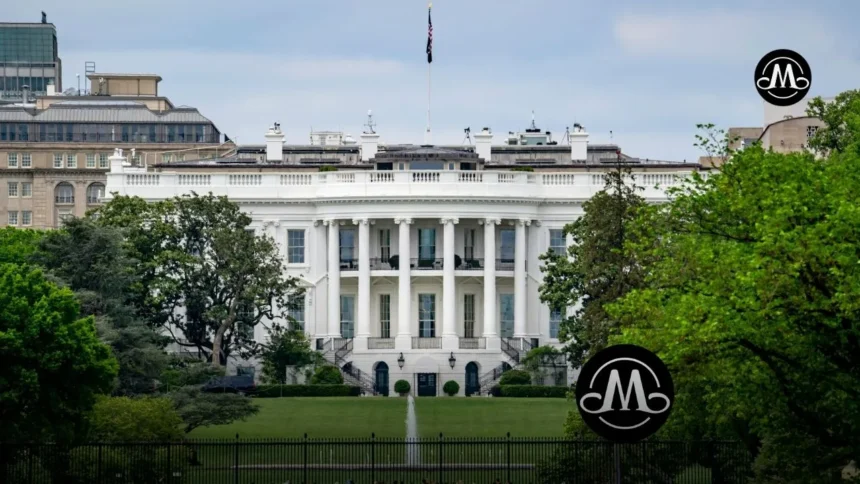
While crypto loves calling itself a decentralized, global market, at times, the price action paints a more realistic picture. As Washington moves, crypto responds. The recent Clarity Act rally demonstrated the continued fragility of digital assets to U.S. policy signals, particularly when investors see the prospect of policy potentially altering market dynamics, institutional participation, and future adoption.
This policy sensitivity has been important for traders who use platforms like bitdelta exchange as crypto markets are now dependent on legislative deadlines, regulatory jargon, and political hope, as well as technical charts and token stories.
Regulation Is Now a Market Catalyst
Regulation was perceived as a threat only in the early days of crypto. Uncertainties arose from enforcement actions, exchange lawsuits, banking restrictions and securities classification debates. The Clarity Act rally, however, demonstrated that regulation can also serve as a bullish catalyst if markets see a route to legitimacy.
It is a very logical approach. Clarifying the regulatory landscape for digital assets could give institutions greater confidence to participate in the market. Exchanges could have more robust operations. Token issuers might know more about what’s allowed. Custodians, asset managers, payment companies and fintech firms might be more inclined to develop crypto products.
This is why even bill progress can affect prices. Not only is the market pricing what has happened. It’s valuing what investors believe might be achievable once the regulatory murky weather clears.
Crypto Still Depends on U.S. Market Structure
The crypto market might be worldwide, but the United States is one of the key policy battlegrounds. U.S. regulations affect exchanges, stablecoins, ETFs, custody, banking access, venture investment and institutional participation. Washington’s thumbs-up can affect more than just American investors.
That is particularly the case as many of the biggest stories from crypto now rely on regulated access. Spot Bitcoin ETFs demonstrated the potential of traditional market infrastructure for introducing new capital into the digital asset space. Stablecoin legislation may impact payments and dollar liquidity. The criteria for listing, trading, or avoiding major assets may be based on token classification rules.
This was reflected in the Clarity Act rally. While crypto may not want to rely on Washington, the market obviously has a close eye on Washington.
Why the Rally Did Not Erase the Risks
A policy rally can be very strong, but it can also be very weak. Crypto prices tend to rise rapidly on optimism, before investors get into the details. A bill that is moving forward in committee, has the backing of the political parties, or has good comments on it, does not equal law yet. The legislative process may be delayed, amended, or stalled.
There is also the possibility that clarity will not be equally helpful to all areas of the market. While tougher regulations may benefit compliant exchanges and institutional products, they may also intensify pressure on less robust exchanges, offshore platforms, or tokens that don’t neatly fit into regulatory categories.
That’s not to say that the Clarity Act rally was a straightforward “regulation is good” moment. It was a sign that markets are desiring rules, but rules that open doors, not close doors.
Washington Headlines Compete With Macro Pressure
The rally also demonstrated that crypto is not just about regulations. Macroeconomic conditions do matter, even if the policy news is good. Expectations of interest rates, inflation, the strength of the dollar, bond yields, liquidity, and overall risk appetite can all outweigh crypto-specific optimism.
Hence, the short-lived nature of rallies in Washington headlines. Even positive regulatory developments, Bitcoin, Ethereum and other digital assets can recoup losses if investors grow more wary of rates or global growth.
Crypto continues to be a hybrid asset class. It can be traded as technology, a risk asset, alternative money, and a policy-sensitive financial sector. All that complexity renders each rally more ambiguous.
Traders Are Watching the Policy Calendar
Washington has now become a part of the trader’s dashboard. Prices can move due to legislative hearings, committee votes, agency statements, court decisions, ETF filings and enforcement actions. Not only is policy analysis now a legal issue, it is a trading input.
This alters the conduct of the cryptocurrency markets. A token’s price might respond not just to network activity or developer updates, but also to a speech, an amendment, or a regulatory deadline. That renders cryptocurrency more susceptible to political tides than many early advocates would have hoped.
It also means that market participants need to separate headlines from substance. Not all policy rumors are created equal. Not all bills impact the market at once. The most savvy traders will interpret the headline and question what it does and does not mean for liquidity, access, listings, and institutional demand.
Crypto’s Washington Era Is Here
The Clarity Act rally signaled that crypto has entered a new era. Decentralization is still a topic in the industry, but the market is reacting more and more to legislation, regulators and institutional gateways. While Washington may not directly control crypto, it certainly affects the conditions under which it grows.
That’s the true lesson. Digital assets can travel on code, community, adoption and macro liquidity, and they travel on policy. Clearer rules could lead to more institutional confidence, and thus, crypto. Restrictive regulation can cause the market to falter.
Either way, the notion that crypto is not a part of the political system seems less tenable than ever. The Clarity Act rally was a testament to the fact that Washington is no longer background noise. It is one of the key factors driving the next crypto cycle.
Stay More Update VENTS MAGAZINES