

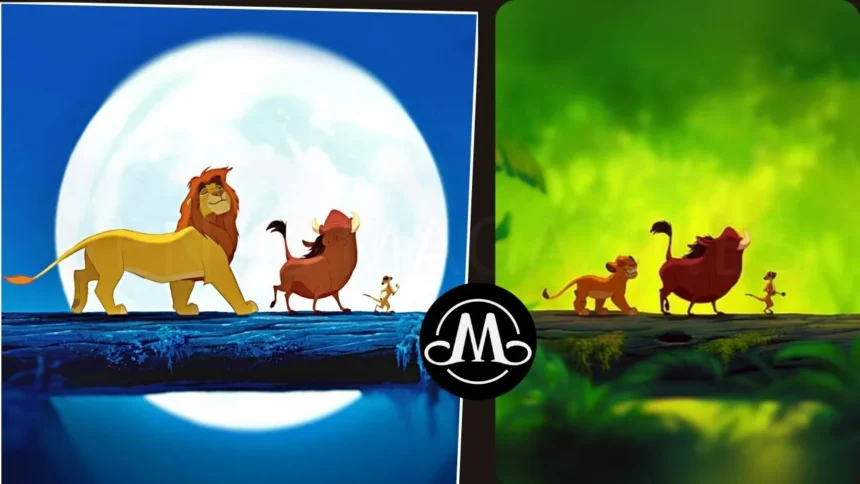
Hakuna Matata bursts into our minds with a catchy tune and playful images of Timon and Pumbaa. The phrase exploded in popularity after Disney’s 1994 animated classic The Lion King. Yet its roots run much deeper than Hollywood. This Swahili expression carries a simple yet profound message that many people still seek today.
In a fast-paced world full of deadlines, uncertainties, and constant notifications, people crave ways to release unnecessary stress. Hakuna Matata offers more than entertainment. It presents a mindset that encourages living lighter while facing reality. This article explores the phrase from its East African origins to its global impact, then shows how you can apply its true power in everyday life. You will discover its strengths, potential pitfalls, and practical steps that make it useful in 2026 and beyond.
The Swahili Origins of Hakuna Matata
Hakuna Matata comes directly from the Swahili language spoken across East Africa, especially in Kenya, Tanzania, Uganda, and parts of the Democratic Republic of Congo. Literally, “hakuna” means “there is no” or “there are none,” while “matata” refers to “worries,” “troubles,” or “problems.” Together the phrase translates most naturally as “no worries” or “no problems.”
Locals often use it casually in daily interactions. A shopkeeper might say it with a smile when a customer drops a coin or arrives late. It serves as a gentle reassurance that small issues do not need to ruin the moment. Unlike the movie version that stretches it into a full lifestyle, traditional usage stays light and situational. Speakers employ it to calm minor frustrations without ignoring bigger responsibilities. This grounded origin makes the phrase authentic and relatable across cultures.
How Disney Brought Hakuna Matata to the World
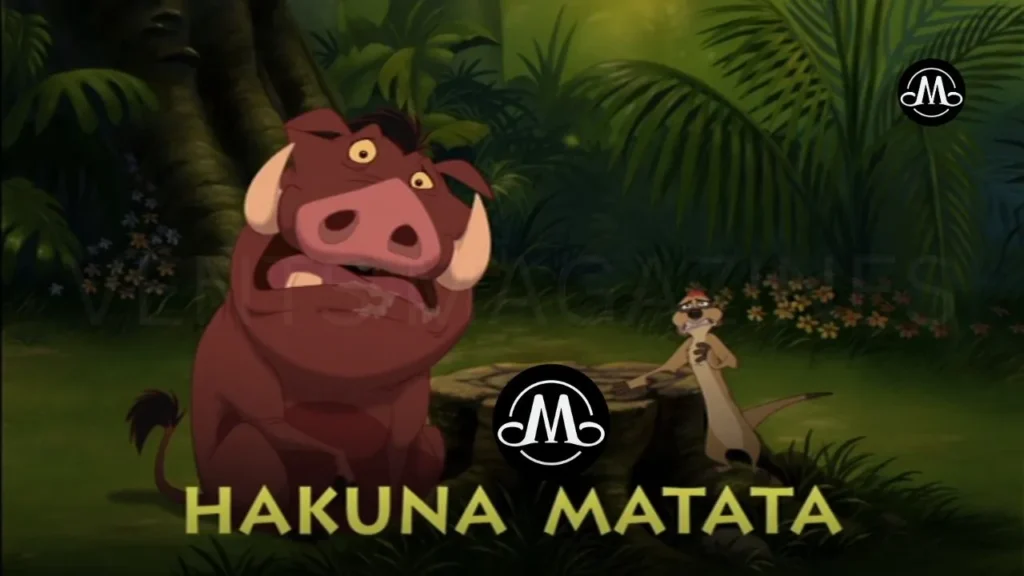
Disney’s creative team discovered the phrase during research for The Lion King. They heard it from a safari guide in Kenya and turned it into the unforgettable song performed by Timon the meerkat and Pumbaa the warthog. Elton John composed the music while Tim Rice wrote the lyrics after spotting the words in a Swahili phrasebook.
The song teaches young Simba to forget his painful past and embrace a carefree jungle life. Millions of children and adults worldwide learned the lyrics by heart. “Hakuna Matata! What a wonderful phrase!” became a global anthem for relaxation. The movie turned a regional expression into an international cultural icon that still appears on merchandise, tattoos, and motivational posters decades later. Disney’s storytelling power amplified the phrase far beyond its original home.
The Lion King Story and Its Message
In the film, Simba loses his father and runs away burdened by guilt and fear. Timon and Pumbaa rescue him and introduce Hakuna Matata as their problem-free philosophy. They sing about putting worries behind and living for today. The catchy number shifts the movie’s tone from tragedy to comedy and helps Simba heal temporarily.
Yet the story does not stop there. Simba eventually returns to Pride Rock and accepts his responsibilities. The film balances carefree fun with the importance of duty and growth. This nuance often gets lost when people quote only the song. The true narrative shows Hakuna Matata as a helpful pause rather than a permanent escape. It gives the young lion space to breathe before he steps into his destined role.
Understanding the Real Philosophy Behind the Phrase
At its core, Hakuna Matata promotes acceptance of what you cannot immediately change. It encourages releasing excessive worry about things outside your control. The philosophy invites you to stay present and find joy in simple moments instead of drowning in anxiety about the past or future.
Many compare it to mindfulness practices found in positive psychology. It aligns with ideas like letting go of rumination while still taking thoughtful action where possible. True Hakuna Matata does not mean ignoring problems. It means approaching them with a calmer mind that avoids unnecessary emotional weight. This balanced view separates the shallow “just chill” interpretation from the deeper wisdom that actually supports long-term well-being.
Benefits of Adopting a Hakuna Matata Mindset
People who practice this approach often report lower daily stress levels. They sleep better because they stop replaying worries at night. Relationships improve when small arguments lose their power to escalate. Creativity flows more freely without constant self-pressure.
Studies in positive psychology link reduced chronic worry to stronger immune function and better heart health. Resilience grows when you train your mind to bounce back instead of staying stuck in fear. In 2026, with economic pressures and digital overload, this mindset helps protect mental health. You handle challenges with clearer thinking and more emotional energy for what truly matters.
Potential Downsides and Misinterpretations
Some critics point out that an overly casual reading of Hakuna Matata can lead to avoidance or irresponsibility. If you use it to dodge important duties like paying bills or addressing relationship issues, problems only grow larger. The “no worries for the rest of your days” line in the song sometimes gets taken too literally.
In its original cultural context, the phrase rarely excuses negligence. East African speakers typically apply it to minor setbacks, not major life decisions. Understanding this distinction prevents the philosophy from becoming an excuse. Healthy application always pairs lightness with accountability.
Cultural Appropriation Debate Around Hakuna Matata
In 2018, Disney faced strong criticism after news spread about its 1994 trademark on the phrase for clothing and merchandise in the United States. Many Swahili speakers felt a Western corporation had claimed ownership of a common cultural expression. Petitions gathered hundreds of thousands of signatures accusing the company of cultural appropriation.
The controversy highlights broader questions about how global media borrows from local traditions. Disney brought the phrase to new audiences and created joy for millions. At the same time, some felt the commercial control overlooked the people who had used the words naturally for generations. The debate reminds us to appreciate origins respectfully while enjoying the positive message.
Hakuna Matata and Mental Health in Today’s World
Modern life bombards people with information and expectations. Anxiety rates continue to rise across age groups. A Hakuna Matata-inspired approach offers a practical counterbalance. It encourages perspective-taking so that not every setback feels like a crisis.
Therapists sometimes recommend similar techniques under different names, such as cognitive reframing or acceptance strategies. You acknowledge the difficulty without letting it consume your entire day. This builds emotional agility that supports resilience during uncertain times like career changes, health concerns, or global events.
Practical Ways to Apply Hakuna Matata Daily
Start small by noticing when worry begins to spiral. Pause and ask yourself whether the issue lies within your control right now. If not, consciously release the mental grip with a quiet “Hakuna Matata” reminder. Take three slow breaths and return attention to the present moment.
Create simple rituals that reinforce the mindset. Keep a short evening journal where you note three things that went well instead of replaying mistakes. Limit doom-scrolling on social media. Spend time in nature or with light-hearted friends who naturally lift your mood. These consistent habits turn the phrase from a slogan into a lived practice.
Hakuna Matata for Leaders, Entrepreneurs, and Professionals
High-pressure roles often breed burnout. Successful leaders who adopt elements of this philosophy make clearer decisions because they avoid panic-driven choices. They delegate better and maintain team morale during tough periods.
Entrepreneurs face constant uncertainty. Hakuna Matata helps them experiment without paralyzing fear of failure. They recover faster from setbacks and stay creative. The key lies in combining calm acceptance with proactive planning. You handle risks wisely while refusing to let anxiety block progress.
Balancing Carefree Living with Real Responsibilities
True power emerges when you blend Hakuna Matata with purposeful action. Enjoy the present without neglecting future needs. Meet obligations while refusing to let them steal all your peace. Parents can teach children this balance by modeling calm responses to everyday mishaps.
Set healthy boundaries that protect your energy. Say no to draining commitments when necessary. Celebrate small wins and practice gratitude regularly. This integrated approach prevents both reckless avoidance and toxic over-responsibility.
Hakuna Matata in Relationships and Social Life
Arguments lose intensity when you stop holding grudges over minor issues. Friends and partners appreciate your ability to laugh at imperfections. The mindset fosters forgiveness and light-hearted connection.
At the same time, use it wisely in serious conflicts. Address core problems directly rather than brushing them aside with a casual phrase. Healthy relationships thrive on both acceptance and honest communication.
Long-Term Impact on Personal Growth and Resilience
Over months and years, this philosophy builds inner strength. You develop confidence that most storms eventually pass. Challenges become opportunities to practice calm rather than threats to your peace.
Resilience research shows that people who cultivate optimistic yet realistic outlooks recover faster from adversity. Hakuna Matata supports this by reducing the emotional weight you carry unnecessarily. You grow without constant self-criticism holding you back.
Conclusion
Hakuna Matata traveled from everyday Swahili conversations to a beloved Disney song and now lives as a global reminder to release unnecessary worry. Its true power lies not in escaping life but in meeting it with greater ease and clarity. When you understand its origins, respect its nuances, and apply it thoughtfully, the phrase becomes a valuable tool for modern living.
You do not need to live problem-free. You simply learn to carry problems with less heaviness. In 2026 and beyond, this balanced mindset offers refreshing relief amid constant demands. Try it gently in your own days. Notice how small shifts create more space for joy, focus, and genuine peace. Hakuna Matata invites you to breathe easier while still moving forward with purpose.
Frequently Asked Questions
What does Hakuna Matata actually mean in Swahili?
Hakuna Matata literally means “no worries” or “there are no problems.” It serves as a casual reassurance for minor troubles rather than a complete life philosophy in traditional use.
Is Hakuna Matata just a Disney invention?
No. The phrase existed in East African Swahili culture long before The Lion King. Disney popularized it worldwide through the song but did not create the expression.
Can Hakuna Matata help reduce anxiety and stress?
Yes, when practiced mindfully. It encourages staying present and letting go of what you cannot control, which supports lower chronic worry and better mental resilience.
Does adopting Hakuna Matata mean ignoring responsibilities?
Not at all. Healthy use combines acceptance of uncontrollable factors with responsible action on what you can influence. It promotes calm, not avoidance.
Why did Disney face criticism over Hakuna Matata?
Some Swahili speakers felt the company’s trademark on the phrase for merchandise represented cultural appropriation of a common everyday expression.
Stay Connected with VENTS MAGAZINES