

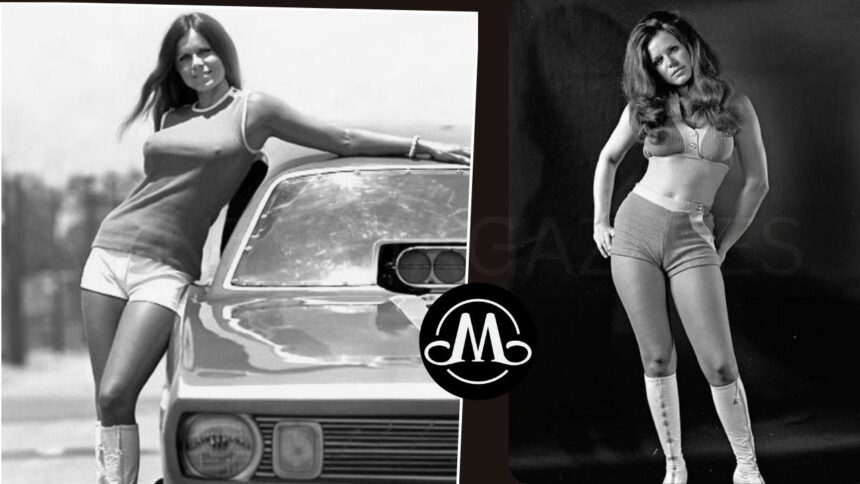
Barbara Roufs remains one of the most recognizable personalities associated with the drag racing culture of the 1970s. Although she never competed as a racer, she became famous as a trophy girl during a period when drag racing attracted growing crowds across the United States. Her distinctive appearance, energetic personality, and connection to major racing events helped her stand out in an era that celebrated speed, automotive innovation, and entertainment. Decades later, racing enthusiasts continue to discuss her influence, proving that her impact extended far beyond the racetrack itself.
Interest in Barbara Roufs increased significantly when vintage photographs from the 1970s resurfaced online. These images introduced her story to a new generation of motorsports fans who had never witnessed the golden age of drag racing firsthand. As people searched for information about her life, many discovered that she represented an important part of racing history. Her story highlights how one individual can become a lasting symbol of a cultural movement and continue inspiring curiosity long after the events that made her famous.
Quick Bio Barbara Roufs
| Detail | Information |
|---|---|
| Full Name | Barbara Roufs |
| Known For | Drag Racing Trophy Girl |
| Birth Year | 1944 |
| Birthplace | California, United States |
| Nationality | American |
| Profession | Trophy Girl and Motorsports Personality |
| Famous Era | 1970s Drag Racing Scene |
| Hair Color | Known for her iconic long dark hair |
| Industry Connection | NHRA and Drag Racing Events |
| Legacy | One of the most recognizable trophy girls in drag racing history |
| Date of Death | January 1991 |
| Age at Death | 47 Years Old |
Who Was Barbara Roufs?
Barbara Roufs gained recognition as a trophy girl during the height of drag racing’s popularity in the United States. Trophy girls played an important role in racing events because they helped present awards, interact with fans, and contribute to the excitement surrounding competitions. During the 1970s, organizers often selected women whose appearance and personality reflected the vibrant atmosphere of motorsports culture. Barbara quickly became one of the most memorable figures in this environment.
Unlike professional racers who earned fame through competition, Barbara built her reputation through her visibility at major events and her connection to the racing community. Photographers frequently captured her image, and fans remembered her distinctive style. Over time, she became closely associated with an era that many enthusiasts consider one of the most exciting periods in drag racing history. Her popularity demonstrated how individuals outside the driver’s seat could still become important parts of the sport’s story.
Early Life and Family Background
Barbara Roufs was born in California in 1944 and spent her early years during a period of significant cultural and social change in America. While public records provide only limited details about her childhood, available information suggests that she grew up in an environment that encouraged independence and personal expression. California’s car culture expanded rapidly during these years, and automotive enthusiasm became an important part of everyday life for many families throughout the state.
Her family background remains relatively private compared to many public figures, but this lack of information has not reduced interest in her story. Historians and racing enthusiasts continue researching the people who contributed to motorsports culture during the twentieth century. Barbara’s connection to one of the most memorable eras in drag racing ensures that her story remains part of those discussions, even when details about her early life remain limited. Explore more Kate Connelly
Growing Up in California
California played a major role in shaping American automotive culture, making it an influential place for someone like Barbara Roufs to grow up. The state became known for custom cars, racing events, and a thriving youth culture that celebrated freedom and creativity. Throughout the 1950s and 1960s, communities across California embraced car shows, racing competitions, and other automotive activities that attracted participants from many backgrounds.
This environment likely exposed Barbara to the excitement surrounding motorsports long before she became associated with drag racing events. Many young people in California developed strong connections to automotive culture because it influenced entertainment, fashion, and social activities. By the time Barbara entered the public eye, she already reflected many of the trends and styles that defined the era, helping her connect naturally with racing audiences. Explore more Constantine Yankoglu
Education and Personal Interests
Public sources provide very little information about Barbara Roufs’ educational background. Unlike many modern public figures who share personal milestones through interviews and social media, Barbara lived during a period when media coverage focused primarily on public appearances rather than personal histories. As a result, details about her academic journey remain largely unavailable. However, her confidence and public presence suggest that she developed strong interpersonal skills that helped her connect with audiences and racing fans.
Beyond her connection to motorsports, Barbara appeared to enjoy the lifestyle and culture that surrounded the racing community. The 1970s celebrated individuality, fashion, music, and self-expression, and she embraced many of those trends. Her appearance and style reflected the era’s energy, making her a memorable figure at racing events. These personal interests contributed to her popularity and helped distinguish her from other promotional personalities working within the sport.
How Barbara Roufs Entered the Drag Racing Scene
Barbara Roufs entered the drag racing scene during a period when the sport experienced tremendous growth across the United States. Racing events attracted thousands of spectators, and organizers sought ways to create exciting entertainment experiences beyond the races themselves. Trophy girls became an important part of event presentations because they added glamour and helped connect fans with the excitement of competition.
Her natural charisma and striking appearance quickly helped her gain attention within the racing community. Event organizers recognized her ability to engage audiences and represent the spirit of the era. As she attended more events, photographers frequently featured her in racing publications and promotional materials. These appearances increased her visibility and helped establish her reputation as one of the most recognizable trophy girls in drag racing.
Becoming a Famous Trophy Girl
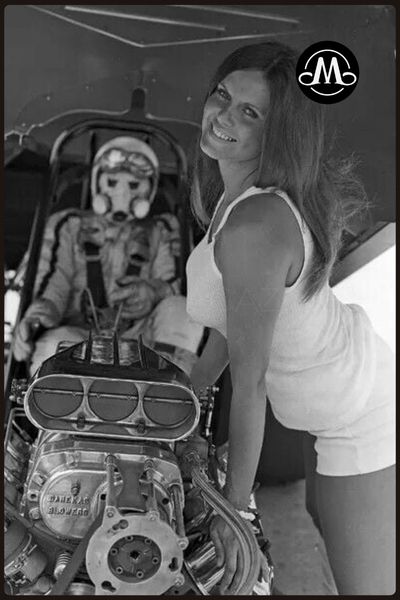
Barbara Roufs achieved fame as a trophy girl because she embodied the style and enthusiasm that defined 1970s motorsports culture. Fans recognized her long dark hair, confident presence, and distinctive fashion choices. These qualities helped her stand out in a competitive environment where many promotional personalities worked to attract attention.
Her growing popularity extended beyond individual racing events. Photographs featuring Barbara circulated among racing enthusiasts and appeared in publications that covered motorsports culture. As a result, she became associated with some of the most memorable moments of the drag racing boom. Her image eventually became one of the most recognizable symbols of the era.
Barbara Roufs and the Golden Era of Drag Racing
The 1970s marked a golden age for drag racing. Racing organizations expanded their schedules, manufacturers increased involvement, and fans packed venues across the country. Drivers became celebrities, and racing culture reached audiences far beyond traditional automotive enthusiasts. Barbara Roufs entered the spotlight during this exciting period and became closely connected to its success.
Her presence at events reflected the energy that made drag racing so popular. Fans appreciated the combination of speed, entertainment, and community that defined race weekends. Barbara contributed to that atmosphere by helping create memorable experiences for spectators. Her visibility during this influential era ensured that future generations would associate her with one of the sport’s most celebrated periods.
Why Fans Admired Barbara Roufs
Fans admired Barbara Roufs because she represented more than just a promotional figure. She brought personality, enthusiasm, and authenticity to racing events. Many spectators remembered her friendly interactions and her ability to connect with people from different backgrounds. Her approachable nature helped create positive experiences for fans attending competitions.
Her distinctive appearance also contributed to her popularity. She embraced the fashion trends of the 1970s while maintaining a style that felt unique and memorable. Photographs captured her confidence and energy, qualities that resonated with racing audiences. These characteristics helped transform her from a trophy girl into a lasting cultural icon within motorsports history.
Her Influence on Motorsports Culture
Barbara Roufs influenced motorsports culture by helping define the visual identity of drag racing during a period of rapid growth. Promotional personalities played an important role in shaping public perceptions of racing events, and Barbara became one of the most recognized representatives of that effort. Her image appeared in photographs that documented an important chapter in automotive history.
Her influence continues today because enthusiasts frequently reference her when discussing the culture surrounding drag racing in the 1970s. Collectors, historians, and fans often share vintage photographs that highlight her role in the sport. These discussions demonstrate how individuals outside the driver’s seat can still leave a meaningful impact on motorsports culture.
Personal Life Beyond the Racetrack
Although Barbara Roufs achieved public recognition, she maintained a personal life that remained largely private. Unlike many modern celebrities, she did not have access to social media platforms or constant news coverage. This reality allowed her to separate public appearances from personal experiences more easily than many contemporary public figures.
Limited public information exists regarding her daily activities, relationships, and private interests. This lack of detail has encouraged researchers and fans to focus on her contributions to racing culture rather than speculation about personal matters. Her story remains compelling because it highlights how someone can become influential without extensive public exposure.
Public Recognition and Media Attention
Barbara Roufs attracted considerable attention during her years as a trophy girl. Racing photographers frequently captured her image, and event organizers recognized her value as a promotional personality. Her popularity reflected the growing importance of visual marketing within motorsports and entertainment industries during the 1970s.
Media coverage of drag racing often featured images that showcased the excitement surrounding race weekends. Barbara became a familiar face in these photographs, helping audiences associate her with the sport’s vibrant atmosphere. Her consistent presence in racing imagery strengthened her reputation and contributed to her lasting recognition. Read more Vivica Fox Net Worth
Rare Photographs and Renewed Interest Online
Interest in Barbara Roufs increased dramatically when vintage photographs resurfaced online decades after her most active years in motorsports. Racing enthusiasts shared images across forums, websites, and social media platforms, introducing her story to people who had never attended 1970s drag racing events. These photographs sparked widespread curiosity about her life and career.
The renewed attention encouraged researchers to gather information about her background and contributions to racing culture. Fans appreciated the opportunity to learn more about a figure who represented an important period in motorsports history. As a result, Barbara gained recognition from a new generation of enthusiasts who continue celebrating her legacy. Read more Kate Connelly
Barbara Roufs’ Legacy in Drag Racing History
Barbara Roufs left a lasting legacy within drag racing history because she symbolized an era that many enthusiasts remember fondly. Her image captures the excitement, style, and optimism that defined the sport during the 1970s. Historians frequently reference her when discussing the broader cultural aspects of drag racing’s growth.
Her legacy extends beyond individual photographs and event appearances. She represents the people who helped create memorable experiences for fans and contributed to the sport’s popularity. Through continued interest in her story, Barbara remains an important figure in discussions about motorsports culture and history.
Why Barbara Roufs Remains Relevant Today
Barbara Roufs remains relevant because her story connects modern audiences with an influential period in American automotive culture. Enthusiasts continue exploring the history of drag racing, and her role within that history provides valuable insight into the sport’s evolution. Her photographs offer visual documentation of a unique era that continues inspiring collectors and fans.
The internet has also played a significant role in preserving her legacy. Digital archives, social media discussions, and racing communities regularly share information about her contributions. These efforts ensure that new generations can discover her story and appreciate the impact she made on motorsports culture.
Conclusion
Barbara Roufs became one of the most recognizable figures associated with drag racing during the 1970s. Although she never competed behind the wheel, she contributed significantly to the culture and atmosphere that helped the sport thrive. Her presence at racing events, combined with her distinctive style and personality, created a lasting impression on fans and photographers alike.
Decades after her most active years in motorsports, Barbara continues to attract interest from racing enthusiasts around the world. Her story demonstrates how individuals can influence a sport without participating directly in competition. Through photographs, memories, and historical discussions, her legacy remains an enduring part of drag racing history.
Frequently Asked Questions
Who was Barbara Roufs?
Barbara Roufs was a well-known drag racing trophy girl who gained popularity during the 1970s.
Was Barbara Roufs a race car driver?
No, she did not compete as a driver. She became famous for her role as a trophy girl at drag racing events.
Why is Barbara Roufs famous?
She became famous because of her appearances at drag racing events and her association with 1970s motorsports culture.
Where was Barbara Roufs born?
She was born in California, United States.
Why do people still search for Barbara Roufs?
People continue searching for her because vintage photographs and historical discussions have renewed interest in her life and legacy.
Stay More Update VENTS MAGAZINES